
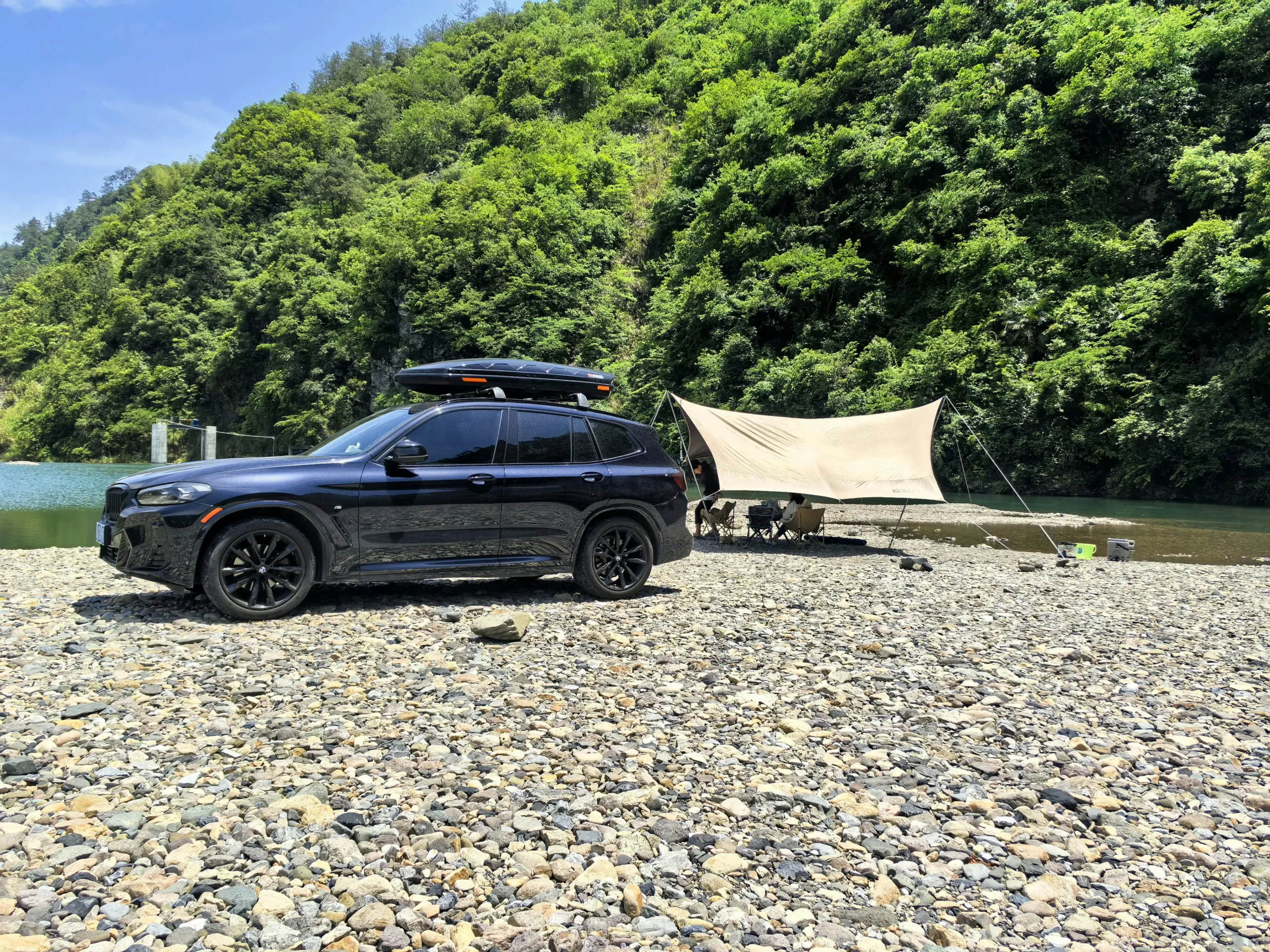
Real Demand for Car Fridges: Insights into Product Opportunities from the User Decision Chain
For consumers, a car refrigerator is not just a refrigeration device, it plays a more important role in modern travel life. What we are discussing is not only the technical specifications, hardware configuration, or market data of the refrigerator, but also the usage scenarios and consumer experience it carries. These elements together shape consumers’ decision-making process and profoundly influence their emotional cognition and value evaluation of the product.
From the perspective of users, we will analyze the practical application of car refrigerators in different scenarios, how to improve users’ convenience in life, and how to influence their purchasing decisions. Through in-depth exploration, we also reveal how emotional value plays a role in the use of products, ultimately influencing consumers’ brand choice and product loyalty.

The category of car refrigerators may seem fiercely competitive, but in fact, the vast majority of brands have not truly understood the underlying logic behind the purchase of this product.
I am Terry. Today, from a different perspective, I will break down why there is still a huge opportunity for segmentation in this category from four aspects: user decision chain, category value, scenario requirements, and functional architecture. Today we won’t talk about “car refrigerators”, but about “upgrading users’ outdoor lifestyles”

Part 1 | Insight Framework: Products are not selling features, but selling ‘scenario capabilities’
In the eyes of different users, car refrigerators are not one product, but five completely different values.
However, most factories sell the same refrigerator to all users, resulting in chaotic competition and price competition.
Car refrigerators are not a category, but a ‘demand set’:
Five major demand layers:
- (Trust in fresh food)
- (Battery safety)
- (Car space economy)
- (Mobility)
- (Outdoor gear ecosystem)
The priority of these five dimensions varies completely among different user groups.

Part 2 | User Profile&Decision Chain
Six types of real users (USA/Australia/Japan)+their core ‘decision variables’
- Car Camping The pain point is not capacity, but noise+power consumption
Decision variables: “Can it make me sleep better? ”
- Overlanding user The pain point is not price, but shock resistance
Decision variable: “Whether it’s bad or not is more important than whether it’s expensive or not
(This is the reason why ICECO can sell at a high price)
- Truckers The pain points are space+noise+temperature control precision
Decision variable: “I want to be able to put meat, medicine, and drinks in one
- Aussie Family Camping The pain point is that the capacity is not enough/one camping trip requires bringing two refrigerators
Decision variable: “We have many families, can we solve it all at once
- Lightweight outdoor/Japanese/urban users The pain points are too heavy, too big, and too ugly
Decision variable: “Can something be smaller, quieter, and more refined
- Hunting & Fishing The pain point is extreme temperature control+extreme environment
Decision variable: “Can we bring the loot home
For this type of product, from the user’s perspective, the car refrigerator is not a matter of “whether it is made well or not”, but a matter of “which type of user are you making it for”.
Most factories produce a machine that satisfies everyone, but no one is satisfied.
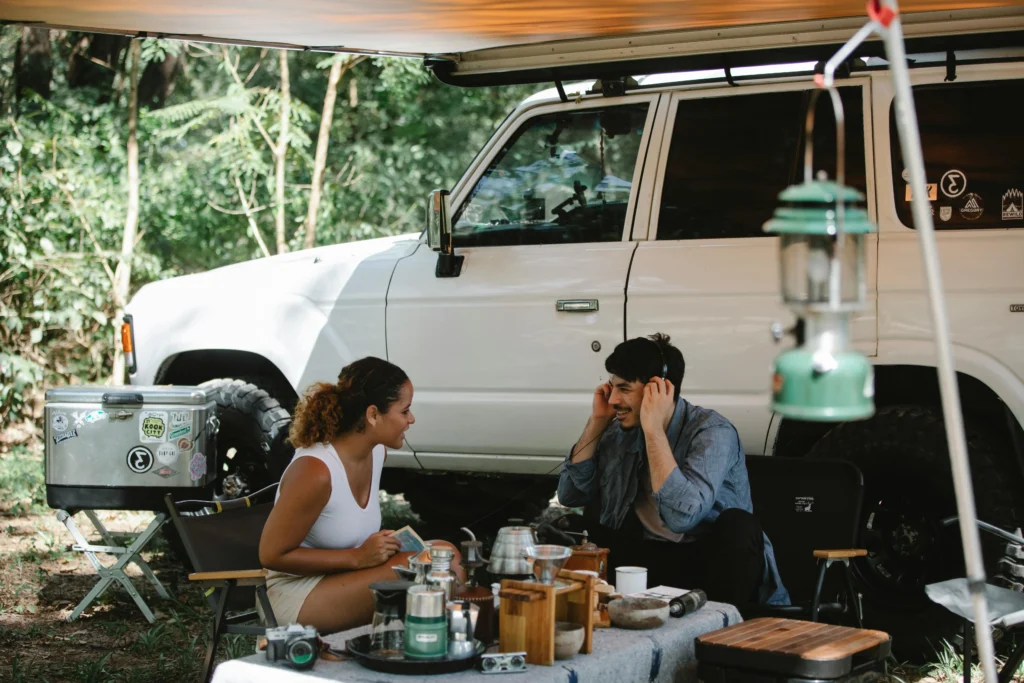
Part 3 | Purchase Decision Journey
1.Trigger-Why do users suddenly think of buying?
Real trigger from Reddit:
Last time the ingredients went bad
The ice bucket is leaking, it’s very troublesome
I want to go to a farther place
Summer drinks can’t be cold anymore
The cost of ice packs is too high
.
2.Search- How do users do their homework?
Where can users find it?
YouTube: Comparative Testing
Reddit: Real Experience Posts
Amazon Q&A: Authenticity of Features
TikTok: Scene Content
Google: Brand Comparison
Users are most concerned about:
- Power consumption
- Noise
- Real capacity
- Compressor brand
Whether the temperature is truly controlled
Actual measurement of 45℃, internal temperature”
(You can say in the video that most factories overlook this point)
3.Evaluation
Users will ask three core questions:
1.Is it worth it in my scenario?
2.Can it replace my current refrigeration method?
3.Will there be any problems in the worst-case scenario?
(such as battery depletion, meat damage, waking up in the middle of the night)
4.Justification
The reason why users convince themselves to purchase is:
- “Can save money on ice packs”
Not wasting food is worth it
- “More convenient”
- “Can go to farther places to play”
- “There must be a refrigerator in the car“
This is the ‘psychological buying reason’ that you can hit in the content.
So, in fact, the process of a consumer decision also goes through many processes.
The above is our preliminary deconstruction of the car refrigerator category.
Consumer decision-making is never a single dimensional calculation, but a combination of scenarios, cognition, and value judgments.
Welcome to share your experience or doubts in the comment section – valuable discussions often begin with a different question.